Gravis Robotics Raises $200M to Automate Building Construction
GGhislain
17 August 2026
3 min read
This article was written with the assistance of AI from public sources, and reviewed by our editorial team.
Introduction: The Rise of Automation in the Building Sector
The construction industry, long resistant to technological innovation, is now undergoing a rapid transformation. Growing demand for resilient infrastructure, data centers and defense projects is driving companies to adopt robotic solutions that deliver speed, safety and precision.
Gravis Robotics has just secured $200 million in its Series A round – the largest ever raised in construction robotics. This capital injection will accelerate the development of its autonomous machines capable of working on real sites thanks to sophisticated environmental‑sensor technology.
1. The Sensor Technology That Makes the Difference
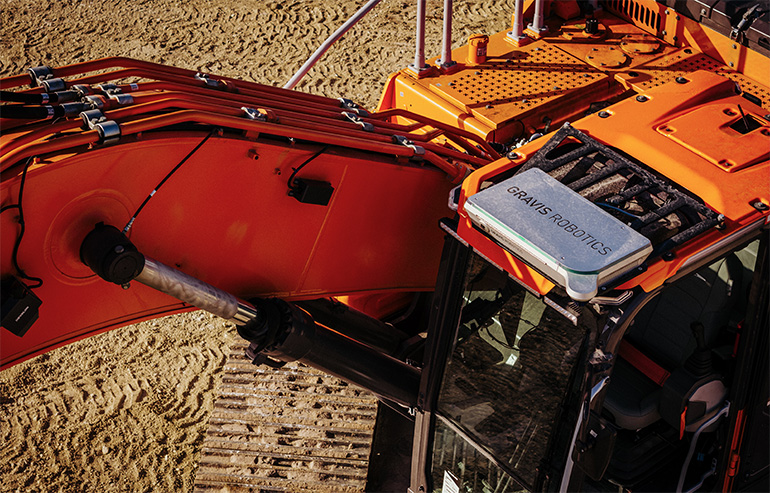
Unlike traditional robots, Gravis employs a dense network of LiDAR, cameras and radar sensors to map terrain in real time. This approach eliminates the sim‑to‑real gap, a major challenge in robotics.
Integrating Multi‑Source Data
The sensors converge into a precise 3D model that gives the autonomy algorithm a clear view of the site. It reduces displacement errors and increases on‑site safety.
2. Impact on Site Productivity
Gravis machines can dig, move earth or level ground without direct human supervision. According to co‑founder Ryan Luke Johns, this frees workers for higher‑value tasks.
Reduction in site time by up to 30%
Fewer workplace accidents
Optimised labour costs
3. SoftBank’s Role in Rapid Growth
SoftBank recognised Gravis’s disruptive potential and invested $200 million to support international expansion and advanced R&D. This funding also accelerates the launch of new robotic versions.
Export Strategy for the United States
The company plans to target public and private projects in the U.S., where demand for resilient infrastructure is high.
4. Regulatory and Security Challenges
Building robotics raises questions around OSHA compliance and cybersecurity. Gravis works with authorities to ensure its robots meet international standards.
“Automation doesn’t replace humans; it complements them,” says Johns, highlighting the need for effective human‑machine collaboration.
5. Future Outlook: Toward a Fully Autonomous Site
As algorithms learn and sensors become more precise, Gravis envisions robots that can manage the entire construction cycle – from site preparation to final commissioning.
The ultimate goal is a site where every machine communicates with the cloud to optimise resources in real time, reducing carbon footprint and overall costs.
Conclusion: Join the Robotised Revolution
Gravis Robotics demonstrates that autonomous construction is no longer a futuristic vision but an imminent reality. With SoftBank’s backing, its advanced technologies pave the way for safer, faster and more economical sites.
Interested in the latest building‑robotics innovations? Subscribe to our newsletter for exclusive insights and stay updated on the next steps of this revolution.